Switching to Paper Poll Books
How to Cancel Electronic Poll Pad Agreements and Ensure Voter Check-in is Accurate and Auditable
As more information comes available from the Bexar County, TX KNOWiNK/ePulse investigation from likes of Andrew Paquette here (video and article) and here (article on ePulse/KNOWINK), it is increasingly apparent that "vendor-controlled elections are un-auditable".)
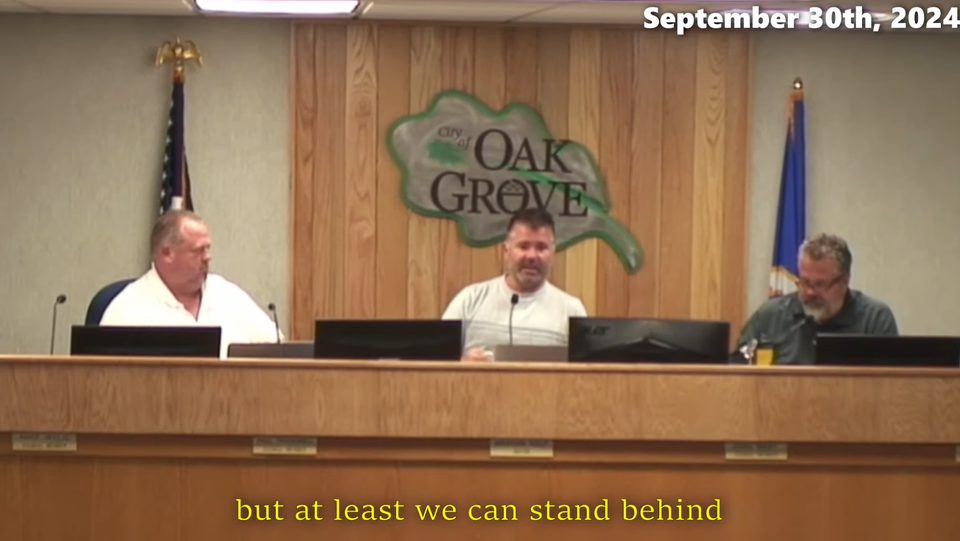
Simon's Sensors: The Secret of the iPads already explored how one city (Oak Grove, Anoka County) and one county (Isanti) opted out, also covered by Liz Collin here (video interview).
Oak Grove cancelled their agreement with Anoka County while Isanti at the county level decided not to purchase them, but cities within Isanti could still use them if desired (this is the current legal framework).
The option to use paper or electronic poll books is one of few remaining choices for municipalities (cities, towns) and counties. For a different example, electronic machine tabulators are mandated since 2023 IF previously used.
Switch to Paper Right Now
Use a simple resolution at the town or city level to switch to paper poll books. City council and town boards can partner with their clerk to notify and further partner with election managers or county auditors.
Paper rosters are used in multiple counties where there are cost-savings and security benefits. (Initially, it is theorized that not all areas bought (or were pitched) the KNOWiNK iPads because of lack of cell service / cell towers.
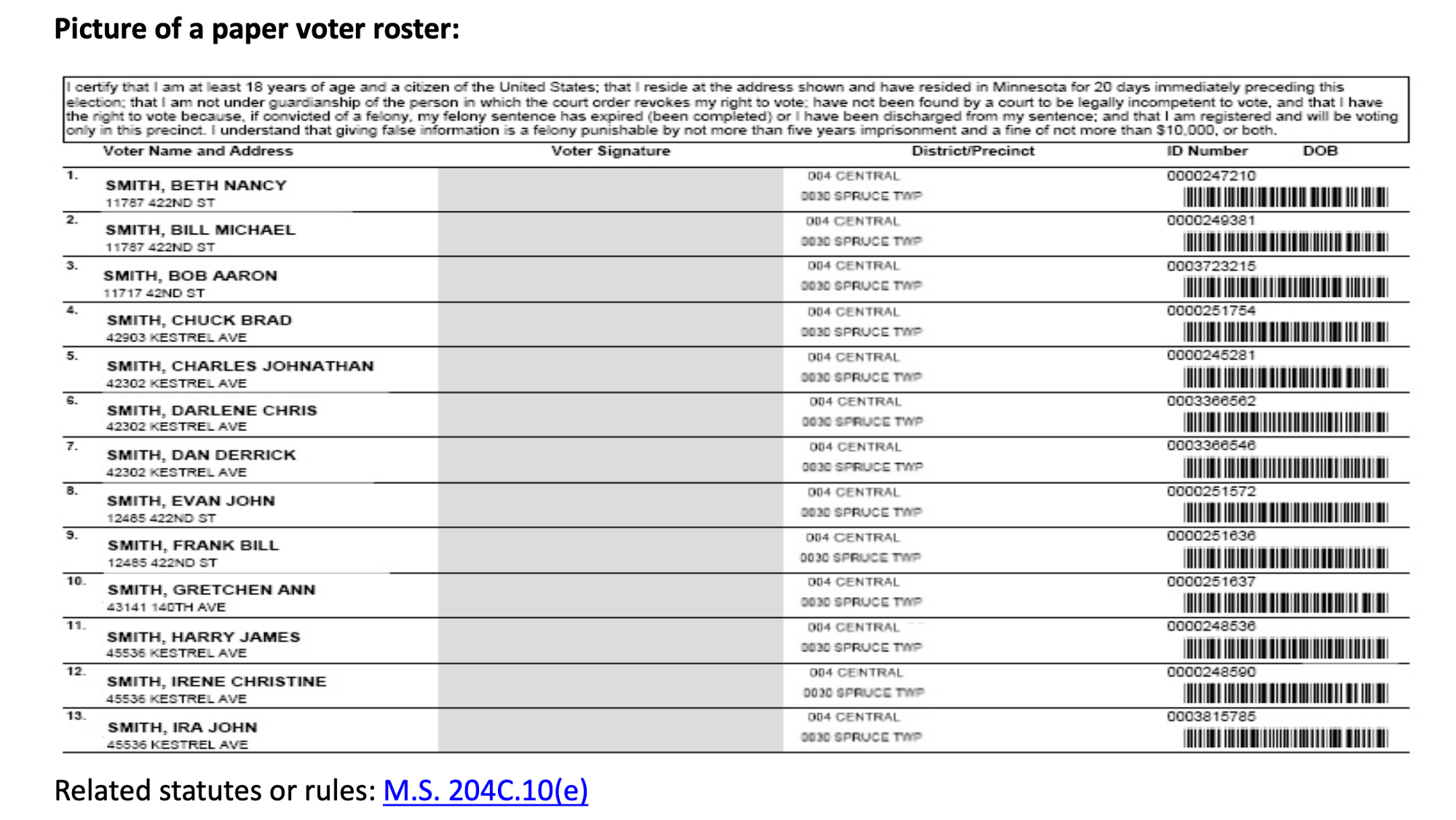
Perhaps biggest of all, using paper ensures NO internet or network connectivity AND, in the case of Bexar County, TX discoveries, NO hidden algorithm.
(Bear in mind that the KNOWiNK/ePulse systems are by design connected to the statewide voter registration system SVRS and have the capability to modify voter records... paper poll books are a static document that election judges use to check in voters.)
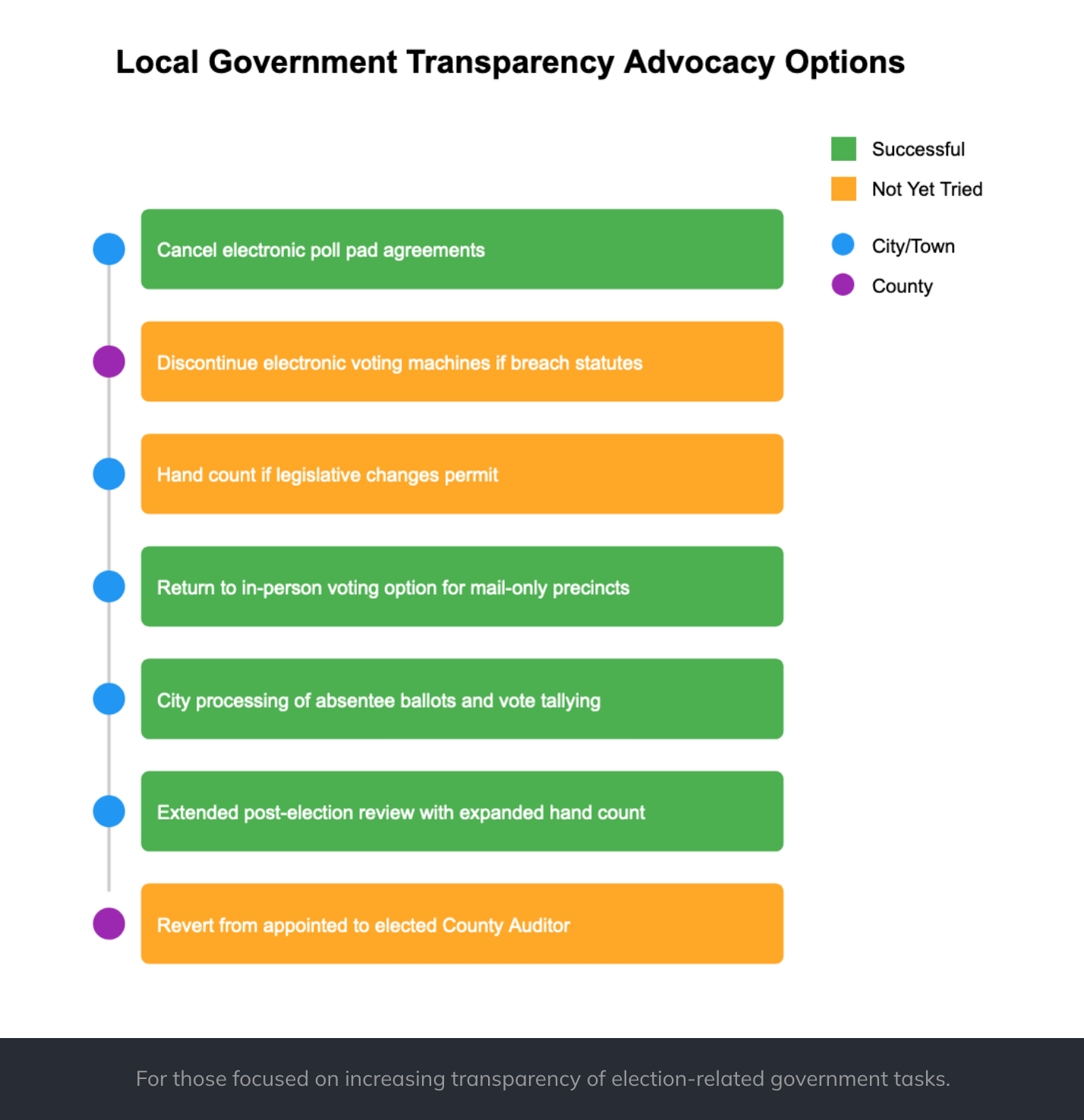
See other Local actions that cities, towns, and counties can make.
Member discussion